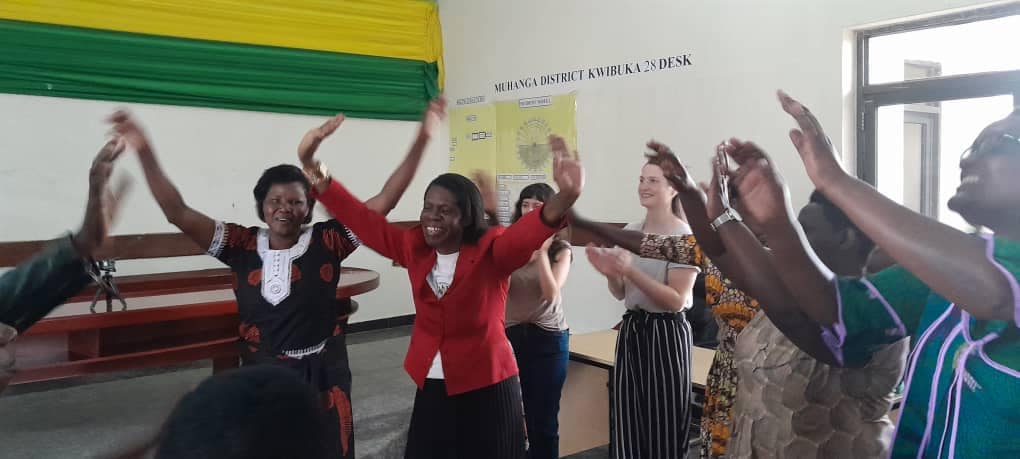
Genocide survivor trauma management requires a holistic approach, combining professional psychological care (group therapy, family therapy) with crucial socio-economic support (income, healthcare, education), social networks, and community-based reconciliation efforts (like restorative justice) to address deep-seated PTSD, depression, and triggers like annual commemorations, focusing on rebuilding social ties and economic stability for true recovery.
During the genocide in Rwanda in 1994, thousands of women mostly Tutsi women were systematically raped, often tortured and mutilated, abused as sex slaves in forced marriages and deliberately infected with HIV / AIDS. Many of them became pregnant. Up to now, the subject remains a taboo in Rwandan society.
Sexual violence during the genocide, including unwanted pregnancies, was aimed at systematically liquidating the Tutsi ethnic group. The existence of these children from “bad memories” or “hatred” sometimes called children from rape represents the continual destruction of the Tutsi community.
For a long time, SEVOTA worked mainly with mothers in the context of the “Abiyubaka forum”. The conception described here now focuses on the psychosocial support for children from rape and includes two sides: a therapeutic side and a giving-a-sense-of-responsibility side. We call these children “Young people who can…” (In Kinyarwanda: Urubyiruko rushoboye. In this way, we want to express and emphasize the potential of these young people and not to set bounds to them due to the violent circumstances of their origin.
Leave a Reply